Choosing the right heating system is one of the most important decisions for homeowners in Switzerland, especially in regions like Basel where winters can be chilly. With growing interest in energy efficiency and sustainability, many homeowners are weighing the benefits of a modern heat pump against traditional heating systems like gas or oil boilers. Both options have their advantages, but the best choice depends on your home, budget, and long-term goals.
What is a heat pump?
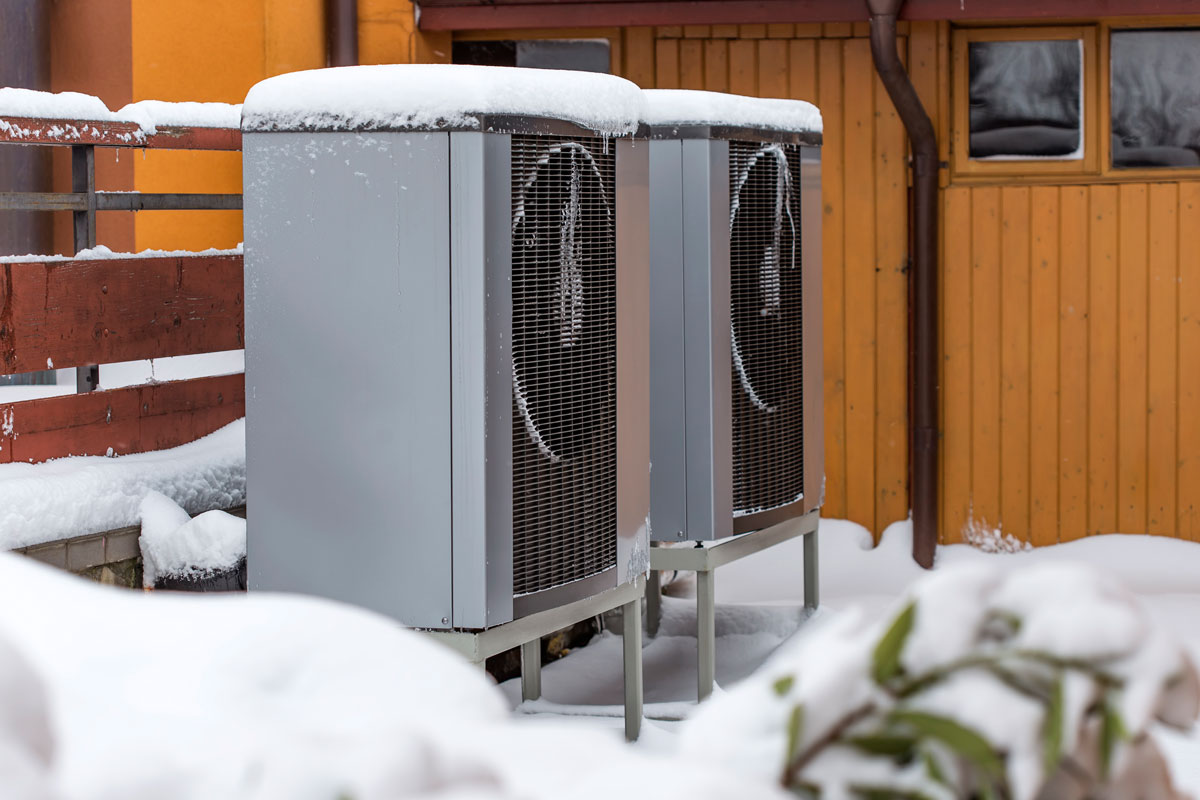
A heat pump is a modern heating system that transfers heat from the outside air, ground, or water into your home. Unlike traditional systems that burn fuel, heat pumps use electricity to move heat efficiently, making them a renewable and environmentally friendly solution.
Heat pumps can provide both heating in winter and cooling in summer, offering year-round climate control. With their energy-efficient design, they can significantly reduce electricity consumption compared to conventional heating methods.
Advantages of heat pumps
One of the main benefits of a heat pump is energy efficiency. Modern heat pumps can generate three to four times more heat than the electricity they consume, helping homeowners save on energy bills over time.
Heat pumps also produce fewer carbon emissions than traditional gas or oil systems, making them a sustainable choice for environmentally conscious households. They are compatible with smart home systems, allowing precise temperature control and optimization of energy use.
In many cantons, including Basel-Stadt and Basel-Landschaft, homeowners can benefit from government and cantonal subsidies when installing a heat pump. These incentives can help offset the initial investment and make switching to renewable heating more affordable.
Advantages of traditional heating
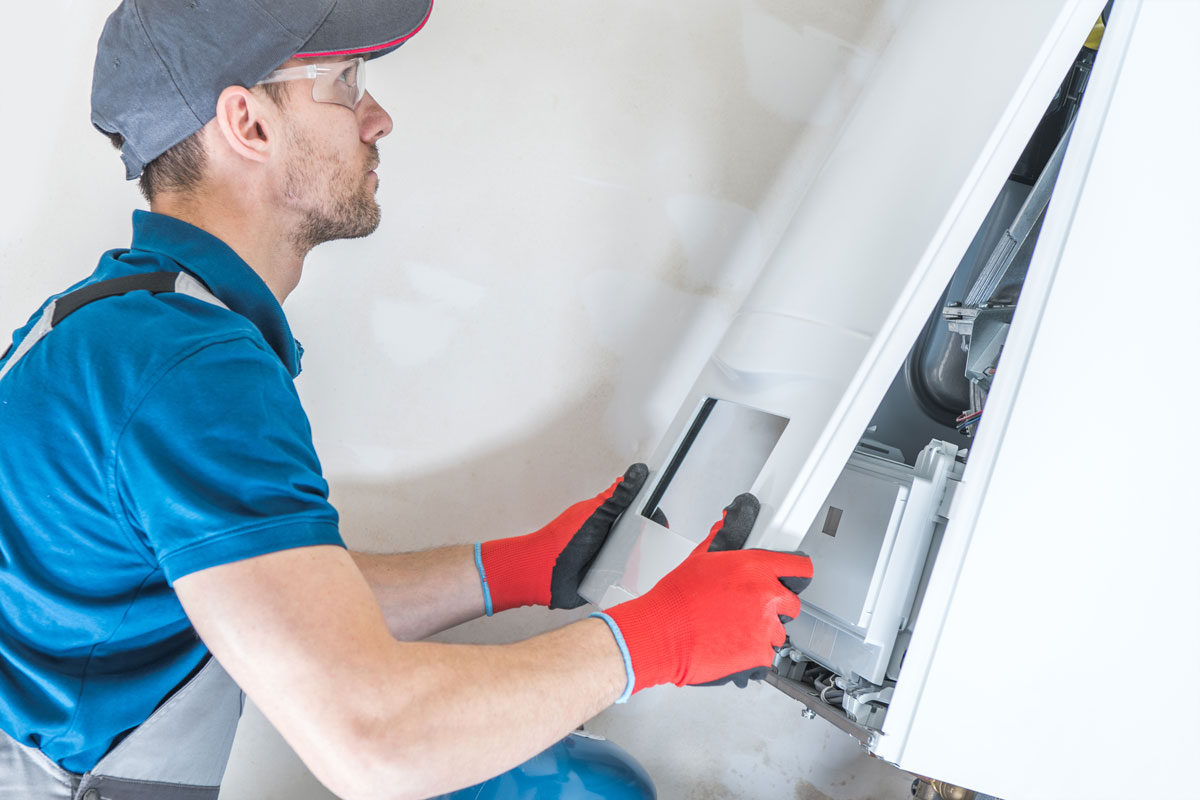
Traditional heating systems, such as gas or oil boilers, have been used for decades and are well-known for their reliability and effectiveness. They can heat a home quickly and are often easier to install in existing buildings without major renovations.
For households that already have gas or oil infrastructure, sticking with a traditional system can be cost-effective in the short term. Maintenance is straightforward, and many technicians are familiar with servicing these systems.
Comparing costs and efficiency
Heat pumps usually have higher upfront costs than traditional heating systems, but their long-term energy savings often compensate for the initial investment. Traditional boilers may be cheaper to install, but fuel prices and energy consumption can make them more expensive to operate over time.
Efficiency is another key factor. Heat pumps perform best in well-insulated homes, while traditional systems can be more effective in older buildings with higher heat loss. Assessing your home’s insulation and energy needs is crucial before making a decision.
Sustainability and environmental impact
If reducing your carbon footprint is important, a heat pump is generally the better choice. Using renewable energy sources, heat pumps help households lower emissions and contribute to Switzerland’s climate targets. Traditional systems, while reliable, rely on fossil fuels and produce more greenhouse gas emissions.
Making the right choice for your home
Deciding between a heat pump and a traditional heating system depends on multiple factors: your budget, home insulation, energy goals, and whether you want long-term savings or a lower initial investment. In many cases, consulting a professional heating specialist can provide a tailored solution that balances cost, efficiency, and comfort.
Need help choosing the right heating system?
If you want to upgrade your heating system, reduce energy costs, or install a modern heat pump, professional support is essential. Aquatherm Plumbing Services provides expert heating system installation, maintenance, and consultation in Basel and surrounding cantons.
Contact Aquatherm Installationen today to discuss the best heating solution for your home. Our experienced team will help you choose between a heat pump and a traditional system, ensuring your home stays warm, energy-efficient, and cost-effective all year long.